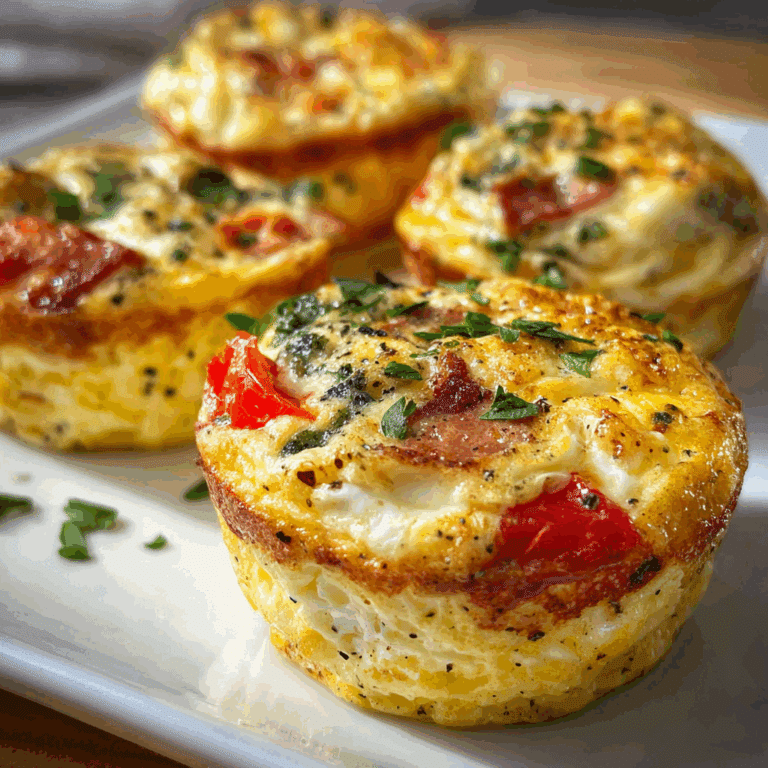
French Toast (Classic Style)

French Toast (Classic Style) is the perfect breakfast treat that combines the comfort of warm, fluffy bread soaked in a rich custard, lightly fried to a golden perfection. Whether you’re cooking for a lazy weekend morning or a special occasion, mastering this timeless recipe will wow your taste buds every time. This straightforward yet delicious dish uses simple ingredients that come together to create a breakfast you’ll crave again and again.
Why You’ll Love This Recipe
- Simple Ingredients: Uses pantry staples you likely already have on hand for a fuss-free breakfast.
- Golden Perfection: Achieves the ideal balance of crispy edges and soft, custardy centers with every bite.
- Versatile Flavor: Easily customized with add-ons or spices to suit your unique taste preferences.
- Quick to Prepare: Ready in under 30 minutes, making it a great choice for busy mornings.
- Kid-Friendly: A crowd-pleaser that’s easy to eat and sure to bring smiles to the table.
Ingredients You’ll Need
Gathering just the right ingredients is the secret to flawless French Toast (Classic Style). Each component plays a role in building flavor, tenderness, and that irresistible golden crust.
- Bread: Thick slices of day-old brioche or challah work wonderfully because they soak up the custard without getting soggy.
- Eggs: The base of the custard mixture, eggs provide richness and structure.
- Milk: Whole milk adds creaminess, but half-and-half works if you want an even richer texture.
- Vanilla Extract: Adds a subtle sweetness and fragrant aroma that enhances the flavor.
- Cinnamon: Just a pinch elevates the taste with warm, comforting spice notes.
- Sugar: A bit of granulated sugar balances the egginess and helps create a light caramelization.
- Butter: For frying, butter gives a rich flavor and ensures a crispy, golden crust without sticking.
Variations for French Toast (Classic Style)
One of the best things about French Toast (Classic Style) is how easy it is to personalize. Whether you want to incorporate different flavors or accommodate dietary needs, here are some fun twists to try.
- Fruit Toppings: Add fresh berries, sliced bananas, or a drizzle of fruit compote for natural sweetness.
- Spiced Up: Blend nutmeg, cardamom, or pumpkin pie spice into the custard for a seasonal flair.
- Vegan Version: Substitute eggs with a flaxseed mixture and use almond or oat milk instead of dairy.
- Savory Style: Skip the sugar and cinnamon, add herbs and cheese, and serve with crispy bacon.
- Stuffed French Toast: Sandwich cream cheese and jam between two slices before dipping and cooking.

How to Make French Toast (Classic Style)
Step 1: Prepare the Custard Mixture
In a wide, shallow dish, whisk together eggs, milk, vanilla extract, cinnamon, and sugar until fully combined and smooth. This mixture is the key to a custardy interior with flavorful depth.
Step 2: Soak the Bread
Dip each slice of bread into the custard, allowing it to soak for about 20 seconds on each side. For thicker slices, you may need a little longer—just be careful not to oversaturate so the bread holds its shape.
Step 3: Heat the Pan and Melt Butter
Place a non-stick skillet or griddle over medium heat and add a generous pat of butter. Allow the butter to bubble but not burn, creating a perfect surface for frying.
Step 4: Cook the French Toast
Place the soaked bread slices on the hot skillet. Cook each side for approximately 2-3 minutes until golden brown and slightly crisp. Adjust heat as needed to avoid burning while ensuring thorough cooking.
Step 5: Serve Immediately
Once cooked, transfer the French Toast to a warm plate. Serve hot with your favorite toppings to enjoy the best texture and flavor.
Pro Tips for Making French Toast (Classic Style)
- Use Stale Bread: Slightly stale bread soaks up the custard better without falling apart.
- Moderate the Heat: Cook on medium to medium-low heat for even browning and to cook through without burning.
- Don’t Skip Vanilla: A splash of vanilla extract adds depth and complexity to your custard.
- Butter + Oil Combo: Mix a little oil with butter in the pan to prevent burning and add richness.
- Keep Warm in Oven: Place finished slices on a baking sheet in a low oven (about 200°F) to keep warm while cooking the rest.
How to Serve French Toast (Classic Style)
Garnishes
Top your French Toast with powdered sugar, fresh berries, a dollop of whipped cream, or real maple syrup to add sweetness and visual appeal.
Side Dishes
A side of crispy bacon, sausage links, or fresh fruit makes a balanced breakfast plate that complements the richness of the French Toast beautifully.
Creative Ways to Present
Try stacking slices to create a French Toast tower drizzled with honey or Nutella, or roll it with cream cheese and fruit inside for a fun twist on presentation.
Make Ahead and Storage
Storing Leftovers
Allow leftover French Toast to cool completely before wrapping tightly with plastic wrap or placing in an airtight container. Refrigerate for up to 2 days for freshness.
Freezing
For longer storage, freeze cooked French Toast in a single layer on a baking sheet, then transfer to a freezer-safe bag. This prevents sticking and allows quick reheating.
Reheating
Reheat leftover or frozen French Toast in a toaster oven or skillet on medium heat to restore crispness; microwaving works but may soften the texture.
FAQs
Can I use any bread for French Toast (Classic Style)?
While you can use most breads, thicker, sturdier ones like brioche, challah, or French bread absorb the custard better and deliver the best texture and flavor.
Is it necessary to soak the bread long?
Soaking the bread for about 20 seconds per side is sufficient—longer soaking works for thicker slices but be cautious not to make the bread soggy and fall apart.
Can I make French Toast (Classic Style) without eggs?
Yes! For an egg-free version, you can use flaxseed or chia seeds mixed with water as a binder, combined with plant-based milk to recreate the custard effect.
What’s the best way to avoid soggy French Toast?
Use slightly stale bread, soak it just enough without oversaturating, and cook on moderate heat to ensure the inside cooks through while the outside crisps nicely.
How do I keep French Toast warm while cooking multiple batches?
Keep cooked slices on a baking sheet in a warm oven set to around 200°F to maintain temperature without drying them out.
Final Thoughts
French Toast (Classic Style) is a breakfast classic for good reason—it’s comforting, customizable, and incredibly satisfying. Once you get the hang of the simple technique, it’s sure to become a staple in your weekend morning routine. So grab your favorite bread, whip up that buttery custard, and treat yourself to a golden, fluffy breakfast delight you’ll want to make again and again.