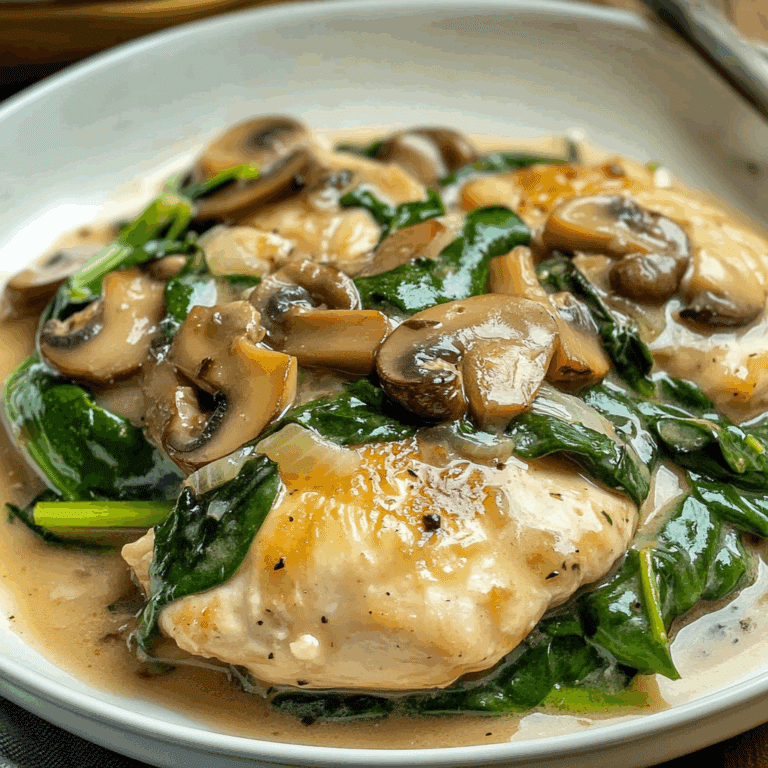
Herb Olive Bread

Learning to bake a flavorful Herb Olive Bread at home is an absolute joy, blending rich herbs and briny olives into a soft, fragrant loaf that’s perfect for any meal. This delightful bread combines simple ingredients to create an aromatic, savory experience that elevates sandwiches, soups, or even a casual snack. Whether you’re new to baking or a seasoned pro, this recipe makes it easy to craft a loaf bursting with Mediterranean charm right from your oven.
Why You’ll Love This Recipe
- Fresh and Flavorful: Infused with herbs and olives, the bread offers a delicious depth of taste in every bite.
- Simple Ingredients: Uses pantry staples that come together effortlessly, making baking approachable and fun.
- Versatile: Perfect for sandwiches, dipping, or just enjoying plain with butter or olive oil.
- Inviting Aroma: Fills your kitchen with the warm fragrance of herbs, making it an irresistible bake.
- Great for Sharing: A beautiful loaf to bring to gatherings or gift to friends and family.
Ingredients You’ll Need
This herb olive bread recipe comes to life with a handful of simple but essential ingredients. Each plays a role: the flour forms the structure, olive oil adds moisture and richness, herbs bring aromatic freshness, and olives provide a savory tang that’s hard to resist.
- All-Purpose Flour: The foundation for your bread, ensuring a soft crumb and perfect rise.
- Warm Water: Activates the yeast and keeps the dough moist for soft texture.
- Active Dry Yeast: Responsible for the bread’s rise and airy texture.
- Extra Virgin Olive Oil: Adds depth to the flavor and keeps the bread tender.
- Fresh Herbs: Typically rosemary, thyme, or oregano, giving the bread that signature aromatic kick.
- Chopped Olives: Black or green olives add bursts of briny goodness throughout the loaf.
- Salt: Enhances all the flavors and balances the bread.
- Sugar or Honey: A touch to feed the yeast and lightly sweeten the dough.
Variations for Herb Olive Bread
Feeling adventurous? This recipe is wonderfully flexible, so you can easily tailor it to fit your tastes, dietary preferences, or whatever ingredients you have on hand.
- Cheese Addition: Incorporate grated Parmesan or feta for a richer, tangy loaf.
- Gluten-Free Option: Use a gluten-free flour blend with xanthan gum to keep the bread soft and chewy.
- Spicy Twist: Add a pinch of crushed red pepper flakes or chopped jalapeños for a subtle heat.
- Herb Swap: Try fresh basil, sage, or marjoram to create new flavor profiles.
- Sweet and Savory: Toss in sun-dried tomatoes with olives for an extra burst of umami and color.

How to Make Herb Olive Bread
Step 1: Prepare the Yeast Mixture
Start by dissolving the active dry yeast and a pinch of sugar in warm water. Let it sit for 5 to 10 minutes until it becomes frothy, indicating the yeast is active and ready to work its magic.
Step 2: Combine Ingredients
In a large mixing bowl, combine the all-purpose flour, salt, chopped fresh herbs, and olives. Add the yeast mixture along with the olive oil. Stir everything together until it forms a rough dough.
Step 3: Knead the Dough
Turn the dough out onto a lightly floured surface and knead for about 8 to 10 minutes until smooth and elastic. This kneading develops the gluten, which is key for a good rise and chewy crumb.
Step 4: First Rise
Place the dough in a lightly oiled bowl, cover it with a clean towel or plastic wrap, and let it rise in a warm place for 1 to 1.5 hours or until it has doubled in size.
Step 5: Shape and Proof
Gently punch down the dough and shape it into a round loaf or oval shape. Place it on a baking sheet lined with parchment paper, cover, and let it proof for another 30 to 45 minutes until puffed up.
Step 6: Bake the Bread
Preheat your oven to 400°F (200°C). Just before baking, slash the top of the loaf with a sharp knife to let steam escape and help the bread expand. Bake for 25 to 30 minutes, or until the loaf is golden brown and sounds hollow when tapped.
Step 7: Cool and Enjoy
Allow the bread to cool on a wire rack for at least 20 minutes before slicing. This resting ensures the crumb sets perfectly and the flavors fully develop.
Pro Tips for Making Herb Olive Bread
- Use fresh herbs: Fresh herbs provide a more vibrant flavor compared to dried ones.
- Don’t over-knead: Knead until elastic but avoid overworking the dough to keep it tender.
- Check your yeast: Make sure the yeast is fresh for a reliable rise and fluffy texture.
- Control the salt: Salt is essential but too much can kill the yeast, so measure carefully.
- Allow adequate proofing: Let the dough rise fully in both stages for the best texture and flavor.
- Use olives without pits: Chop pitted olives to avoid any unpleasant surprises while eating.
How to Serve Herb Olive Bread
Garnishes
Serve sliced herb olive bread with a drizzle of high-quality olive oil or a sprinkle of flaky sea salt. Fresh herb sprigs or a shaving of Parmesan cheese on top make it feel extra special and visually inviting.
Side Dishes
This bread pairs beautifully with Mediterranean-style salads, rich tomato soups, or creamy hummus dips. It also complements cheese boards and can uplift simple meals with its complex flavors.
Creative Ways to Present
Turn slices into bruschetta by topping them with chopped tomatoes, basil, and a hint of garlic. Alternatively, use it to make gourmet sandwiches or tear pieces to accompany antipasti platters for an elegant touch.
Make Ahead and Storage
Storing Leftovers
Wrap the Herb Olive Bread tightly in foil or plastic wrap and store it at room temperature for up to 3 days to keep it fresh and soft.
Freezing
To preserve longer, slice the cooled loaf and freeze portions in airtight bags. This way, you can enjoy fresh-tasting bread anytime by thawing a few slices as needed.
Reheating
Reheat slices in a toaster or oven at 350°F (175°C) for 5 to 7 minutes to restore that fresh-baked warmth and slight crispness. Avoid microwaving as it can make the bread chewy or dry.
FAQs
Can I use dried herbs instead of fresh?
Yes, but reduce the amount to about one-third since dried herbs are more concentrated. Fresh herbs deliver a brighter, fresher taste if available.
What type of olives work best?
Both black and green olives are suitable. Choose pitted olives with a firm texture for the best balance of flavor and ease of eating.
Is this recipe suitable for beginners?
Absolutely! The steps are straightforward, making it a great introduction to bread baking with flavorful results.
Can I substitute olive oil with another oil?
Olive oil is preferred for taste and texture, but you can use vegetable or avocado oil if necessary, keeping in mind the flavor will be less pronounced.
How do I know when the bread is fully baked?
Look for a deep golden crust, and tap the bottom of the loaf — it should sound hollow, indicating it’s cooked through.
Final Thoughts
Baking your own Herb Olive Bread is like inviting a little Mediterranean sunshine into your kitchen. With simple ingredients and a bit of care, you create something truly special — a loaf that’s bursting with flavor, aroma, and heart. Give this recipe a try and enjoy the fresh, savory goodness of homemade bread that everyone will love.
Related Posts
PrintHerb Olive Bread

Learn to bake a flavorful Herb Olive Bread that combines fresh herbs and briny olives into a soft, aromatic loaf. Perfect for sandwiches, dipping, or enjoying plain, this easy-to-follow recipe brings Mediterranean charm to your kitchen with simple pantry ingredients and a deliciously inviting aroma.
- Prep Time: 15 minutes
- Cook Time: 30 minutes
- Total Time: 2 hours
- Yield: 1 loaf (about 8-10 servings) 1x
- Category: Appetizers
- Method: Baking
- Cuisine: Mediterranean
- Diet: Regular (contains gluten)
Ingredients
Basic Ingredients
- 3 ½ cups (420g) all-purpose flour
- 1 ¼ cups (300ml) warm water (about 110°F/43°C)
- 2 ¼ tsp (1 packet) active dry yeast
- ⅓ cup (80ml) extra virgin olive oil
- 1 tbsp chopped fresh rosemary, thyme, or oregano (combined or your choice)
- 1 cup chopped pitted black or green olives
- 1 ½ tsp salt
- 1 tbsp sugar or honey
Instructions
- Prepare the Yeast Mixture: Dissolve the active dry yeast and a pinch of sugar in warm water. Let it sit for 5 to 10 minutes until it becomes frothy, indicating the yeast is active and ready.
- Combine Ingredients: In a large bowl, mix the flour, salt, chopped fresh herbs, and olives. Add the yeast mixture and olive oil. Stir to form a rough dough.
- Knead the Dough: Turn the dough onto a lightly floured surface and knead for 8 to 10 minutes until smooth and elastic.
- First Rise: Place dough in a lightly oiled bowl, cover with a towel or plastic wrap, and let rise in a warm place for 1 to 1.5 hours until doubled in size.
- Shape and Proof: Punch down the dough gently, shape into a round or oval loaf, place on a parchment-lined baking sheet, cover, and proof for 30 to 45 minutes until puffed.
- Bake the Bread: Preheat oven to 400°F (200°C). Slash the top to allow steam to escape, then bake for 25 to 30 minutes until golden brown and hollow-sounding when tapped.
- Cool and Enjoy: Cool the bread on a wire rack for at least 20 minutes before slicing to set the crumb and develop flavor.
Notes
- Use fresh herbs for the best, most vibrant flavor.
- Knead until elastic but avoid overworking the dough to keep it tender.
- Ensure yeast is fresh for reliable rising and fluffy texture.
- Measure salt carefully as too much can inhibit yeast activity.
- Allow dough to fully proof in both rising stages for optimal texture and taste.
- Use pitted olives and chop them to avoid unpleasant bites.
Nutrition
- Serving Size: 1 slice (about 60g)
- Calories: 150 kcal
- Sugar: 1.5 g
- Sodium: 250 mg
- Fat: 5 g
- Saturated Fat: 0.7 g
- Unsaturated Fat: 4 g
- Trans Fat: 0 g
- Carbohydrates: 23 g
- Fiber: 2 g
- Protein: 4 g
- Cholesterol: 0 mg
Keywords: herb olive bread, Mediterranean bread, homemade bread, savory bread, herb bread, olive bread, easy bread recipe